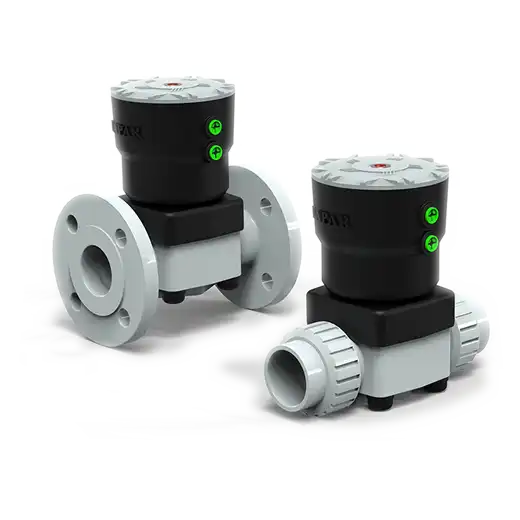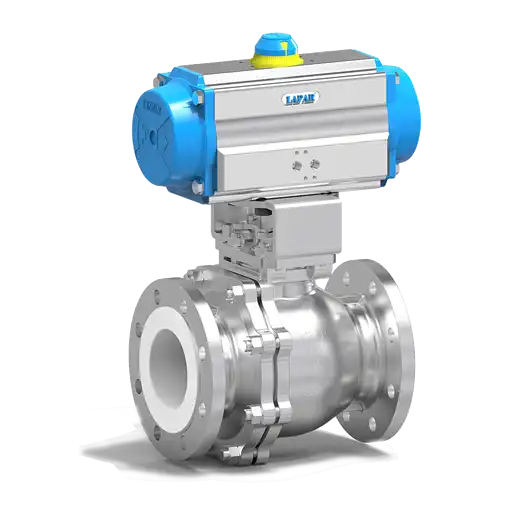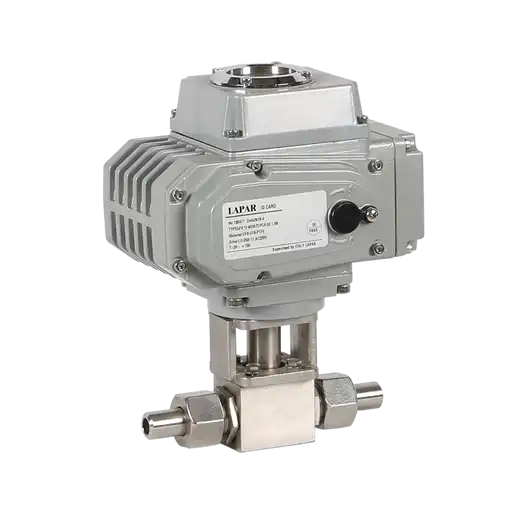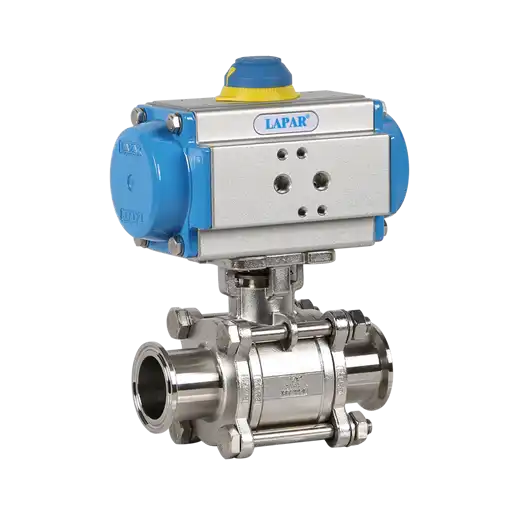
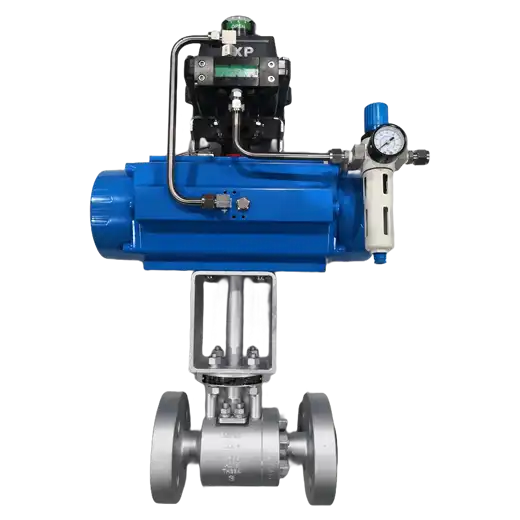
High pressure power plant drain ball valve is a quarter-turn metal-seated isolation valve installed on boiler drain, blowdown and high pressure steam drain lines, built to shut off hot high-pressure water and steam tightly and repeatedly rather than to throttle them.
Product Description
Drain and blowdown lines carry water that is simultaneously hot and under pressure, which is the condition that makes throttling service so destructive. As flow passes the restriction, pressure drops below vapour pressure and part of the liquid flashes into vapour. When those bubbles collapse downstream they release energy locally, pitting metal and stripping away any soft seating material. Ball valves are not immune to that damage — which is exactly why this valve is specified as isolation rather than control. When it opens, it opens fully and gets out of the way. It is not asked to hold a partial position where flashing on the seat would destroy it.
That role determines everything about the design. Seats are metal rather than soft, because PTFE and elastomer seats do not survive repeated exposure to hot drain water and any hard particulate travelling with it. The ball is held between seats that maintain contact even as the body thermally cycles, and the stem is designed to resist being expelled by internal pressure while remaining operable. A closed ball gives line-to-atmosphere isolation that is verifiable and repeatable, which matters more here than fine control: when maintenance personnel break into a drain line, they rely on that isolation holding absolutely.
How this differs from the regulating valve we build for the same service: our power plant drain control valve throttles. It is deliberately built to survive flashing and cavitation through staged pressure reduction and hardened trim, and it is the right device where the duty requires modulating flow or continuous blowdown control. This ball valve sits upstream or downstream of that function as isolation. If you try to use this valve to modulate, you will erode the seats and destroy the shutoff its whole purpose is to provide. Conversely, asking the control valve to serve as the maintenance isolation wastes its capability and usually gives worse shutoff.
High pressure steam drains deserve separate treatment because they fail by a different mechanism than boiler water drains. On main steam, hot reheat and extraction steam drains, a seat that weeps even slightly is exposed to high-velocity superheated steam, and that steam cuts a groove across the seating surface — a condition known as wire drawing. The leak does not stay small; the first leak path becomes the permanent one, and the valve is destroyed by the service it was installed to contain. This is why metal seating and a genuinely tight shutoff matter more on steam drains than anywhere else on the drain system, and why a partially open ball is never acceptable in this position. Thermal shock is the second mechanism: the valve body sits at ambient temperature and is then hit with high-temperature steam in seconds, so the seat and body have to tolerate that transient without distorting out of contact. Startup drains then carry flashing condensate at very high differential, which is the same destructive combination described above.
One more consideration specific to this location: drain lines see long periods of inactivity followed by sudden operation. A valve that sits closed for months and then must open on demand has to break free rather than seize, which is why stem packing selection, seat design and the drive arrangement are chosen for that pattern rather than assuming continuous use.
Key Features
- Metal seat construction: seats survive the temperature and any entrained solids that would destroy a soft-seated ball valve in drain service, and resist the wire-drawing damage that turns a small steam leak into a permanent one.
- Quarter-turn operation: the ball moves clear of the flow path, so when open there is minimal restriction and no trim feature exposed to attack.
- Blowout-resistant stem: stem retained so line pressure cannot eject it — a safety requirement, not an option, on boiler blowdown lines.
- Bidirectional shutoff: isolates against pressure from either direction, which is what maintenance isolation actually requires.
- Suited to infrequent operation: packing and seat arrangement selected to survive long periods shut followed by sudden demand rather than only continuous cycling.
- Defined leakage performance: seat leakage class stated against the standard rather than described as "bubble tight" — confirm the achievable class for your size and pressure.
Typical Applications
- Boiler bottom and header drains — isolation on lines that must open reliably after long shutdown periods.
- Intermittent blowdown lines — on/off isolation where the flow-limiting duty is handled elsewhere in the line.
- Startup and shutdown drain circuits — quick-acting isolation during boiler warm-up and cool-down sequences.
- Main steam, hot reheat and extraction steam drains — high pressure steam drain isolation where a leaking seat is cut by steam velocity rather than simply worn.
- Auxiliary steam line drains — removing condensate from steam lines before they are brought into service.
- Maintenance isolation on drain headers — the last line of protection before personnel break into a drain or blowdown circuit.
The specification question on drain lines is always whether the duty is isolation or throttling. They need different valves, and mixing them up is expensive in both directions — a ball valve asked to control will lose its shutoff, and a control valve asked to isolate usually gives poorer isolation than a quarter-turn device at lower cost. Decide which function each position performs, then select accordingly. Tell us the line pressure, water temperature, whether the position ever throttles, and how often it operates, and we will confirm whether this valve belongs there or whether the drain control valve does.
Technical Specifications
| Valve Size | NPS 1/2 – NPS 8 / DN 15 – DN 200 |
|---|---|
| Pressure Class | ASME Class 600 to 2500 |
| Operating Temperature | Up to +590 °C / +1094 °F |
| Body Style | Two-Piece / Three-Piece Body |
| Bore | Full Bore, Reduced Bore |
| Process Connection | Butt Weld, Flanged (RTJ), Socket Weld |
| Body Material | Alloy Steel, Stainless Steel |
| Seat Type | Metal Seated |
| Stem | Blowout-Resistant Stem |
| Stem Seal | Graphite Packing |
| Seat Leakage | Per ANSI/FCI 70-2 or ISO 5208 — class depends on size |
| Operation | Manual Lever, Gear, Pneumatic, Electric |
| Flow Characteristics | On / Off Isolation — not intended for throttling service |
| Drain Service Type | Boiler Water Drain, Intermittent Blowdown, High Pressure Steam Line Drain |
| Critical Service | Boiler Drain, Blowdown Isolation, Startup Drains, High Pressure Steam Line Drains, Wire Drawing Service, High Pressure Water |
| Certifications | ASME, PED |
| Media | Boiler Water, Condensate, Steam, Blowdown Water |
| Industries | Power Generation, Thermal Power Plant, Industrial Boiler, Combined Heat and Power |
Frequently Asked Questions
Can I use this ball valve for throttling blowdown flow?
No. This valve is isolation-only. Holding a partially open ball in flashing service concentrates exactly the kind of abrasive, cavitating flow that destroys both the ball and the seat. Where blowdown flow needs to be modulated, use our power plant drain control valve, which is built with staged pressure reduction and hardened trim for that duty.
Why metal seats instead of soft seats?
Soft seats do not tolerate the combination of temperature, pressure drop and entrained solids present in drain service. They deform, they erode, and once damaged the valve loses the very isolation it is installed to provide. Metal seats accept that environment and give predictable, repeatable shutoff across thermal cycles.
What happens if the valve sits closed for months and is then needed?
That is the normal operating pattern for drain lines, and it is designed for. Packing and seat selection account for long idle periods and the need to break free on demand rather than seizing. Tell us the expected interval between operations so that choice reflects your actual cycle rather than an assumed continuous duty.
How do I know which positions on my drain line need this versus a control valve?
Assign functions first. Any position that must merely open fully or shut tightly is isolation and takes this valve. Any position that must regulate flow, or gradually handle high differential continuously, takes the drain control valve. Mixing the two produces premature failure at exactly the wrong moment.
Is shutoff verifiable?
Yes — seat leakage is stated to a recognised leakage class rather than described qualitatively. The achievable class depends on size and pressure, so request the figure for your specific configuration rather than accepting a general statement.
Is a boiler water drain valve and a high pressure steam drain valve the same selection?
Not necessarily, and the difference is in how each one fails. Boiler water drains damage a seat by flashing and erosion from liquid. High pressure steam drains damage it by wire drawing, where steam velocity across even a small leak path cuts the seating surface and makes the leak permanent. Both are covered by a metal-seated quarter-turn valve, but the steam position places a higher demand on seat tightness and on tolerating thermal shock, so give us the line conditions for each position rather than repeating one specification across the whole drain system.