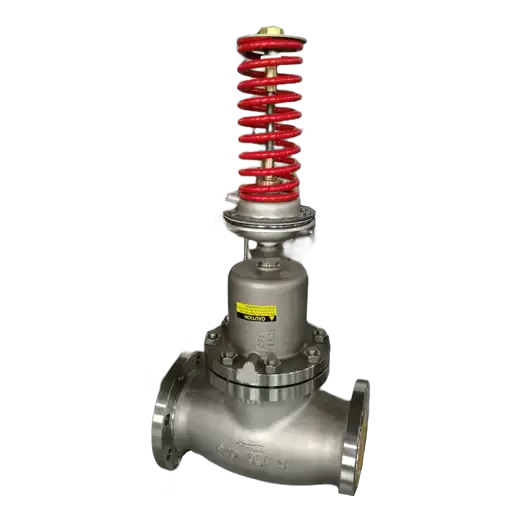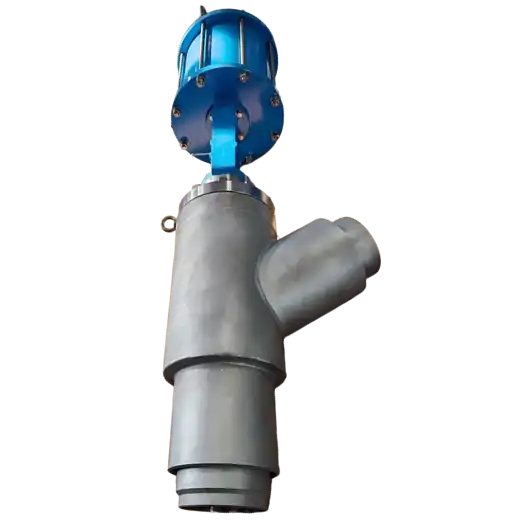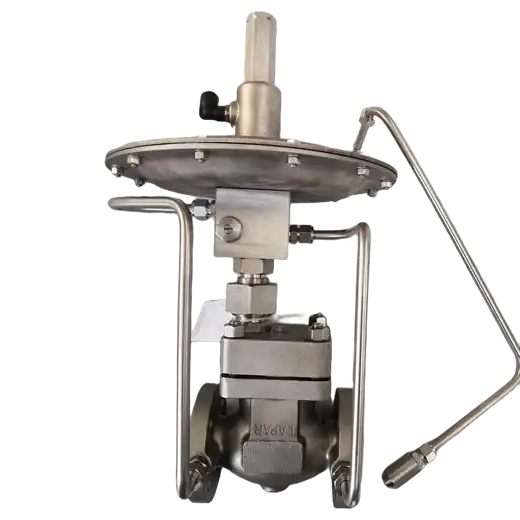
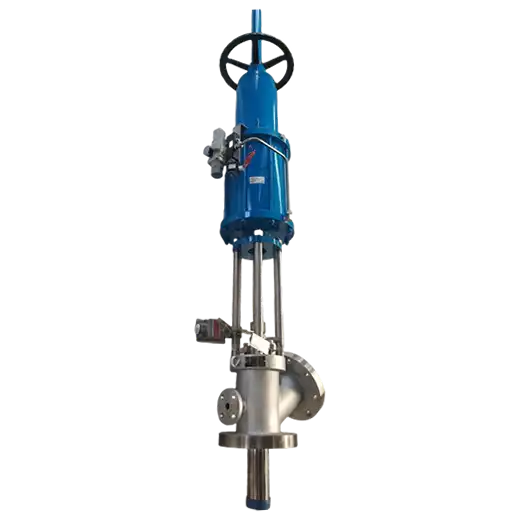
A ram bottom outlet valve employs a reciprocating rectangular ram that shears through accumulated solids and opens a true full-bore port at the base of a tank or vessel, providing reliable, clog-free draining of slurries, sludges and high-viscosity process media.
Product Description
In storage and process vessels that handle solids-laden, viscous or sediment-forming fluids, the bottom nozzle is the most failure-prone point in the drain system. Conventional gate, ball or plug drain valves rely on a partially opened port to meter flow, and that narrowing throat traps grit, catalyst fines, polymer crumb and asphalt residue, which pack against the seat and render the valve inoperable exactly when it must be opened for turnaround or emergency drawdown.
A ram bottom outlet valve removes that throat. Its defining element is a flat, rectangular ram that slides perpendicular to the flow through a port machined flush with the vessel floor. On the closing stroke the ram travels through any settled bed, mechanically displacing solids instead of sealing around them, and the leading edge acts as a scraper that keeps the sealing surface clear. When open, the ram withdraws completely into the body so the outlet presents an unobstructed full-bore passage — there is no reduced orifice to bridge over or plug.
Because the sealing faces are flat and the closing force is applied across the full ram width, the valve delivers repeatable shutoff against abrasive and sticky media, and the body can be supplied with a steam or hot-oil heating jacket so heavy, temperature-sensitive product such as bitumen or polymer melt stays fluid right up to the seal. The ram, seat and scraper are available in hardened and overlay grades (Stellite, tungsten carbide) to resist the cutting action of catalyst and slurry. Actuation ranges from manual gear operation for infrequent drains to pneumatic, hydraulic or electric drives for automated, remotely operated tank farms.
Key Features
- Full-bore ram discharge: the ram withdraws fully into the body, leaving an unrestricted outlet and eliminating the throttling throat that bridges and plugs in conventional drains.
- Self-clearing shear action: the reciprocating ram displaces and scrapes settled solids on every stroke, so the seat stays free of grit, scale and polymer buildup.
- Positive shutoff on abrasive duty: flat metal-to-metal or overlay sealing faces handle dirty, slurry and high-differential service without reliance on a soft, easily scored seat.
- Heating-jacket option: steam- or hot-oil-jacketed body and bonnet keep viscous and temperature-sensitive media fluid through the sealing zone, preventing freeze-off and coking.
- Flexible actuation: manual handwheel or gearbox, pneumatic cylinder, hydraulic cylinder or electric actuator, with positioner, limit switch and solenoid accessories.
- Hardened, long-wear trim: ram and seat in Stellite-, tungsten-carbide- or ceramic-faced grades for catalyst, tailings and other cutting services.
- Tank-bottom mounting: weld-neck, flanged or direct-vessel-weld end connections seat flush with the vessel floor for complete drawdown.
Typical Applications
Selecting a ram bottom outlet valve is a service-fit decision, not a size-off-the-shelf exercise. The bed you must cut through, the viscosity at line temperature, and the differential across the port dictate ram travel, drive force and trim grade. We size the ram and actuator against your actual solids loading and operating temperature — including the heating requirement for heavy media — so the valve that ships cuts through the bed on the first stroke and seals on the last. The outcome is a tank bottom that drains on demand instead of becoming a plugged, unsafe liability at turnaround.
Technical Specifications
| Specification | Range / options |
|---|---|
| Valve size | NPS 2 – NPS 24 / DN 50 – DN 600 |
| Pressure class | ASME Class 150 to 600; DIN PN10, PN16, PN25, PN40, PN100 |
| Operating temperature | −29 to +450 °C / −20 to +840 °F (jacketed to +400 °C for heavy media) |
| Process connection | Flanged (RF), Butt Weld, Tank Weld Neck, Direct Vessel Weld |
| Body style | Through-conduit ram, angle or straight |
| Body material | WCB, WCC, LCB, CF8M (316), with overlay options |
| Ram / seat | Hardened steel, Stellite, tungsten carbide, ceramic-faced |
| Heating jacket | Steam or hot-oil jacketed body and bonnet |
| Seat leakage | Class V, Class VI (bubble-tight) per ANSI/FCI 70-2 |
| Actuator | Manual (handwheel/gear), Pneumatic, Hydraulic, Electric |
| Stem seal | Adjustable packing (bellows available) |
| Accessories | Positioner, Limit Switch, Solenoid Valve, Air Filter Regulator |
| Certifications | ASME, NACE MR0175/ISO 15156, PED, API 6D |
| Media | Slurries, sludges, asphalt, resins, catalyst, tailings |
| Industries | Oil & Gas, Refining, Petrochemical, Mining, Polymers, Pulp & Paper |
Typical offering envelope. Final selection depends on line pressure, operating temperature and actual solids loading; sizing is validated against your process data.
Frequently Asked Questions
Resources
Data Sheets:
Manuals: IOM
Product Photos: