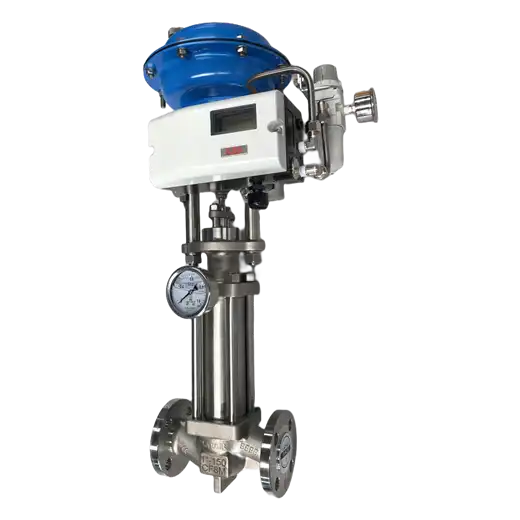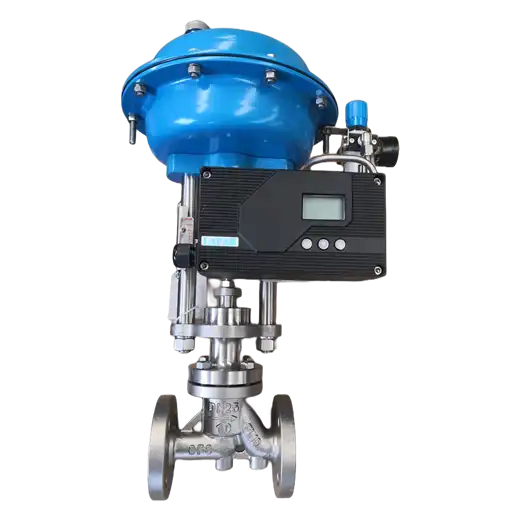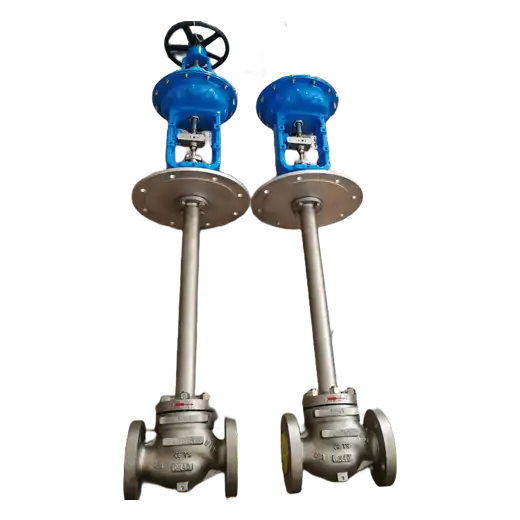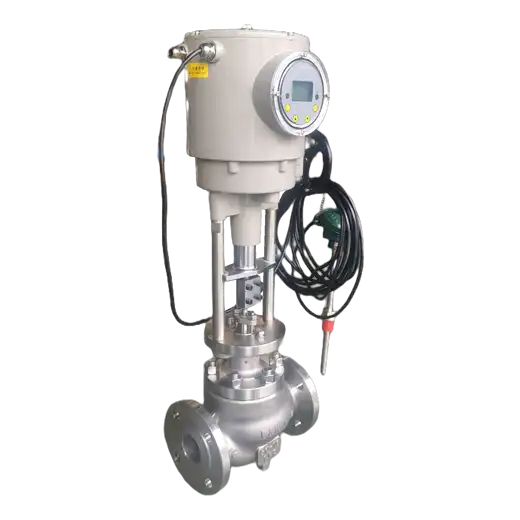
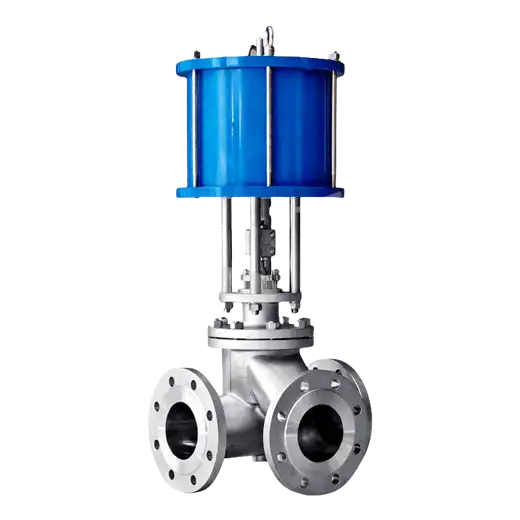
The three way antibiotic valve blends two streams or routes one stream down either of two paths within a single fermentation-duty body, keeping every path free of the accumulation pockets that cause contamination.
Product Description
Routing is conventionally done with two valves and a tee. On fermentation duty that approach has a structural weakness: the tee adds a joint, a pocket, and additional surface that cleaning has to reach and verification has to cover. Consolidating into one three way body removes the tee and one valve, so the associated dead volume goes with them rather than merely being relocated.
A three way body is harder to make clean than a straight one, and nearly all of that difficulty sits in one place. All three ports open into a shared central cavity, and that cavity is where material settles if the contour permits — it is the location where this type of valve fails at its actual job. Carrying zero dead space geometry through that shared region, rather than only along the inlet and outlet passages, is what separates a fermentation duty three way valve from an industrial one pressed into service.
The same details that distinguish the straight version still apply here and still matter. The stem thread never contacts the medium anywhere in the stroke, so there is no thread root for material to lodge in and degrade. Shut-off is doubled, with the seal ring meeting a conical face and then a flat face giving two independent closing lines, and the sealing surfaces can be laser clad for wear resistance. Where the body discharges at its lowest point, the optional bottom port serves double duty — venting trapped gas when the line is brought into service, and giving cleaning or steam access during production. Bodies without the port are supplied where the process does not use it.
Configuration has to be settled before manufacture, and it is not a formality. A mixing valve takes two inlets to one outlet; a diverting valve takes one inlet to two outlets. The internal geometry and the plug loading differ between them, so installing the wrong one produces a valve that does not proportion predictably — a result that survives any amount of subsequent adjustment. Since routing duties on fermentation lines are usually self-evident — divert panels route, blend points blend — there is rarely ambiguity, but it should be stated explicitly rather than assumed.
Temperature selection follows the rest of the family and remains the most mis-specified item. A standard PTFE sealing set suits roughly 120 °C, high-temperature PTFE about 200 °C, and PPL approximately 400 °C. Diverting duty frequently involves steam for cleaning or routing, which makes it essential to specify against sterilising conditions rather than normal process temperature. [TBC — confirm available tiers]
Key Features
- Zero dead space through every path: no-pocket contours carried through all three ports and the shared central cavity, not only through the inlet and outlet passages.
- Stem thread isolated from the medium: the threaded stem portion never contacts process media at any point in the stroke.
- Double shut-off: conical face followed by flat face contact gives two independent sealing lines, with laser cladding available for wear resistance. [TBC]
- Optional bottom port: serves both initial venting and cleaning or steam access during operation; bodies without it supplied where unused. [TBC]
- Mixing or diverting built to order: geometry matched to the actual flow path rather than converted in the field.
- Removes a tee and one valve: consolidating routing into a single body eliminates the extra joint and pocket a two-valve arrangement brings to hygiene-sensitive duty.
Typical Applications
- Product routing on fermentation lines — sending flow to process or to return without an intermediate tee.
- Steam and cleaning circuit switching — routing between cleaning or sterilising media and the process line with the changeover free of pockets.
- Blending two streams — mixing culture medium, water or diluent ahead of the next stage.
- Transfer between destinations — routing between vessels, recovery lines or run and standby paths.
- Air and utility proportioning — controlled distribution of process air and services on the fermentation train.
Specify this valve where a third port genuinely replaces a tee and a second valve, not simply to reduce hardware count. The question that decides it is whether the shared cavity cleans as well as the rest of the line — if it does not, the contamination problem has been moved rather than removed. Give us your routing intent, the medium, working temperature and connection standard, and we will confirm the configuration or recommend the simpler two-way body where a third port earns nothing.
Technical Specifications
| Valve Type | Three Way Flanged Valve for Fermentation Service |
|---|---|
| Configuration | Mixing (Converging) or Diverting (Diverging) — specified at order |
| Valve Size | DN25~DN150 |
| Nominal Pressure | PN 16 |
| Working Temperature | Standard PTFE ~120 °C |
| Body Material | Stainless Steel 304 / 316L |
| Process Connection | Flanged |
| Trim Type | Purpose-built three way plug assembly |
| Sealing Set | PTFE gasket, body mid-joint seal and stem packing |
| Shut-Off Type | Double shut-off — conical face followed by flat face contact |
| Stem Isolation | Stem thread held clear of the medium through full travel |
| Internal Geometry | Zero dead space through all ports and shared cavity |
| Drain / Vent Port | Bottom port available on request; bodies without the port supplied |
| Seat Leakage | V, VI and tightest classes on both ports |
| Operation | Manual Handwheel, Pneumatic, Electric |
| Media | Steam, Water, Culture Medium, Air |
| Industries | Antibiotic & Pharmaceutical, Amino Acid Fermentation, Brewing, Bio-Pesticide, Bio-Fertilizer, Enzyme & Food Fermentation, Biochemical |
Frequently Asked Questions
Mixing or diverting — which do I need?
A mixing valve takes two inlets to one outlet and blends them. A diverting valve takes one inlet to two outlets and routes between them. The internal geometry and plug loading differ, so the choice must be made at order rather than on site — fitting the wrong one gives unpredictable proportioning that no adjustment will correct.
Why not use two valves and a tee?
The tee adds a joint and a pocket — more surface that cleaning must reach and that verification must cover. Where contamination costs batches, removing that pocket is a functional gain rather than merely a saving on hardware.
Where does this valve usually fail at its job?
In the shared central cavity where all three ports meet. Material settles there if the contour allows it. Keeping zero dead space geometry through that cavity — rather than only along the through passages — is the point to verify with your supplier.
What is the bottom port used for?
Two things: venting trapped gas when the line is put into service, and providing access for cleaning or steam during production. Where neither is needed, bodies without the port are available.
Which sealing tier applies to my duty?
Specify against your cleaning and sterilising temperatures, not your normal operating temperature. Diverting duty often carries steam, and that cycling sets the requirement. Give us the actual conditions and we will match the tier.
How tight is the shut-off?
Less tight than the straight version, because the plug relates to two seats, and the tightest leakage classes are rarely achieved on both ports simultaneously. Tell us which port genuinely requires the tighter class so it is applied where it matters.
Resources
Data Sheets:
Manuals: IOM
Product Photos: